From Coast to Coast: How Angela Chang Continued Her Career with LEARN Behavioral After a Cross-Country Move 

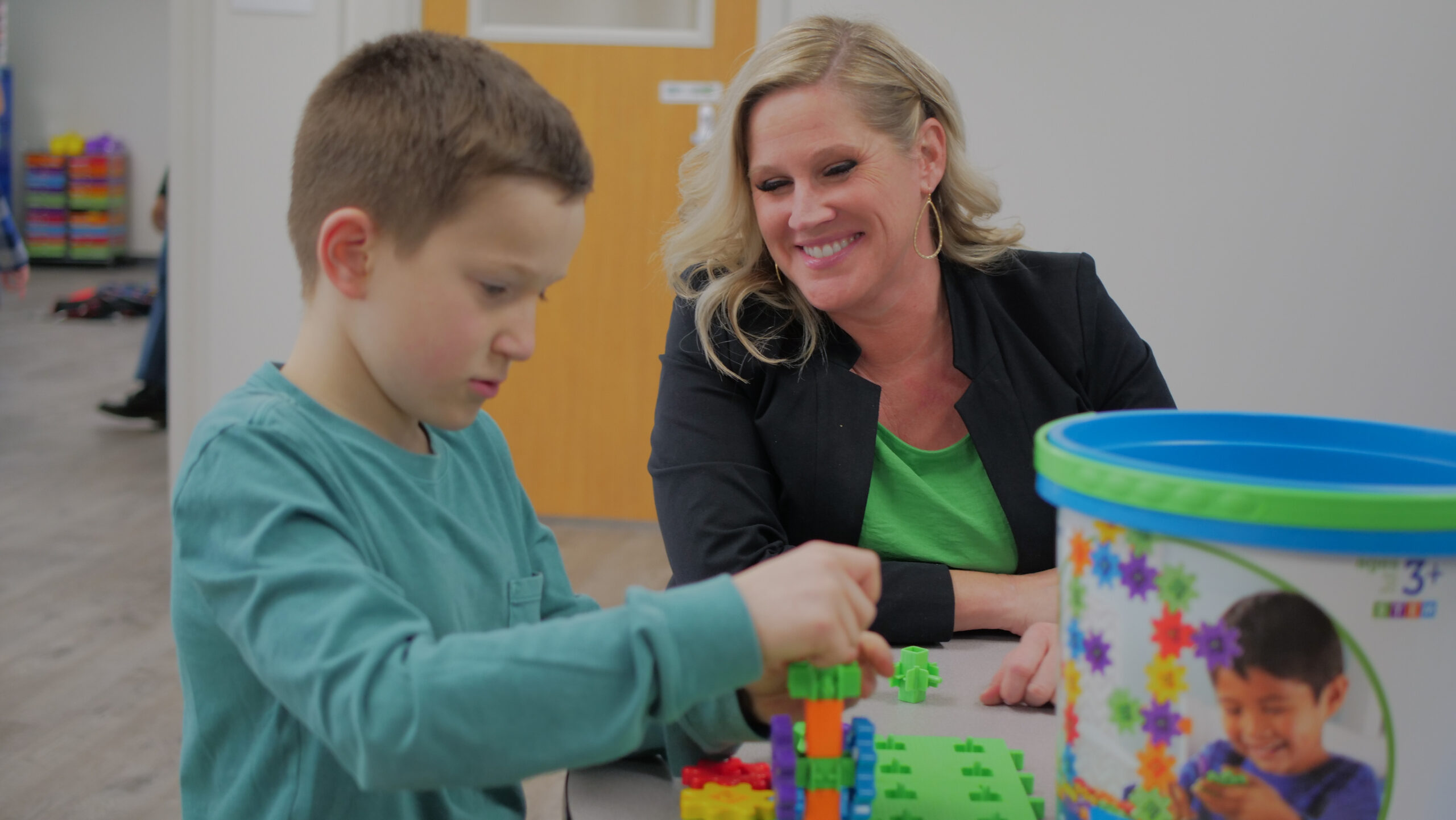
After 14 years with LEARN Behavioral, Angela Chang didn’t want to leave the company behind when she and her husband decided to move from Southern California to Maryland. Thanks to the organization’s national presence, she didn’t have to. 

Angela, a managing behavior analyst, had been with Autism Spectrum Therapies (AST), working in Monrovia, California. When she relocated to Bowie, Maryland, she transferred to SPARKS and is now managing the newly opened Waldorf Learning Center.  

Both AST and SPARKS are among LEARN Behavioral’s network of brands providing high-quality applied behavior analysis (ABA) therapy across the country. Thanks to LEARN’s national network, Angela figured out how to seamlessly transfer to another job within the organization. Her story of transition reflects LEARN’s commitment to supporting clinicians, expanding access to care, and delivering personalized ABA nationwide. 

Angela and her husband had long planned to move out of California for a slower pace of life. “We just wanted a slower walk of life, more access to nature, less traffic,” Angela says. 

Planning Ahead Paid Off 

Angela began planning her transition two years before the move. She searched LEARN’s internal careers page to see which regions had openings for her role and reached out to clinical leaders at SPARKS and Trellis Services, both based in Maryland. 

Her clinical director in California helped her connect with local directors in Maryland. Angela also traveled there about a year in advance to tour facilities and determine the best fit. 

“I’d rather have things lined up and be overprepared and know what’s going to happen,” she says. “At least I know I’m checking all of my boxes.” 

She finalized her wedding and her cross-country move within weeks of each other. Thanks to early planning, she stepped into her new position without missing a beat. 

From In-Home to Center-Based Care 

Angela continues to support mid-tier supervisors and helps lead onboarding at the Waldorf Learning Center. As a leader in the Emerging Behavior Analyst (EBA) program both at AST and SPARKS, she mentors technicians working toward their board certified behavior analyst (BCBA) certification, modeling how to manage caseloads and navigate professional challenges. 

Her new setting differs from her previous in-home and school-based work. “Here, I’m managing not just people, but everything else that goes into running the center, from making sure we have enough supplies to keeping the walls decorated,” she says. 

She also serves on LEARN’s Neurodivergent Advisory Committee (NAC), helping improve communication, workplace inclusivity, and clarity of HR materials across departments. 

Advice for Others Considering a Transfer 

Angela encourages others within LEARN to consider transferring if life leads them to a new location, or if they are looking for a different set of professional growth opportunities. 

“Talk to your director,” she says. “The process can take time, especially if there isn’t a position available right away. Stay organized and communicate with everyone who could potentially be impacted by your transition in both your personal and professional lives.” 

LEARN Behavioral’s nationwide network offers flexibility for employees to continue their careers across state lines. Angela’s story is just one example of what’s possible with thoughtful planning and a strong support system. 

Want to learn more about internal transfers and job opportunities within LEARN Behavioral? Visit LEARN’s careers page to explore current openings across the country. 

SPARKS Opens New Learning Center in Manassas, VA

With over 10 years of experience providing compassionate contemporary ABA therapy to children with autism, we’re delighted to share that we opened a new SPARKS Learning Center this fall in Manassas, Virginia. The new center held an open house that included an official ribbon-cutting with their local Chamber of Commerce and opportunities for families to tour the facility, speak with the leadership team, and participate in fun activities. This new location offers a supportive, learning-rich environment where children with autism can work on individual skills in a group setting.

We couldn’t be more excited to support more families in the communities we serve. To learn more about where our services are located, find a location.

SPARKS ABA Learning Center Now Open in Springfield, VA

No Waitlist and Expanded Year-Round Services for Fairfax County Area Families

SPRINGFIELD, VA… SPARKS ABA, a provider of LEARN Behavioral, has recently opened the doors of its new Learning Center at 5501 Backlick Road, Springfield, VA 22151.

SPARKS ABA is Virginia’s premiere contemporary applied behavior analysis (ABA) provider of center-based autism services for children and adolescents ages 18 months to 15 years. The Backlick Rd. Learning Center is SPARKS ABA’s second location in Springfield.

“We are thrilled to open our doors and expand our compassionate, contemporary ABA therapy for children with autism spectrum disorder (ASD) and families throughout Fairfax County,” said Kayla Bagnato. “Through highly personalized support, we aim to empower each child and young adult to gain independence to succeed in school and life and reach their highest potential.”

The new Springfield Learning Center offers center-based and in-home ABA services, SPARK Saturdays (social skills group), and parent education/training.

Key Features of the Springfield Learning Center:

  • Large facility which includes a gross motor space for physical and social development.
  • ABA therapy, which includes a learning-rich environment, unique play-based learning spaces, and one-on-one support.
  • Serving children ages 18 months to 15 years old with personalized therapy plans.
  • Launchpad Learning – a school readiness program for children ages 2 to 6.
  • No waitlist and flexible treatment hours that include after-school hours to accommodate busy family schedules.
  • Conveniently located right off I-495 and I-395, and easily accessible for families in the region.

The center is now enrolling new clients in the Fairfax County area and beyond.

SPARKS ABA, part of LEARN Behavioral, a national leader in compassionate autism treatment, has been a leading provider of evidence-based autism services for 15 years. SPARKS ABA is dedicated to personalized, high-quality ABA therapy. For more information or to enroll a child at the Springfield Learning Center, call (703) 373-7557 or visit https://www.sparksaba.com.

About LEARN Behavioral

LEARN Behavioral is a national leader in autism treatment, offering comprehensive diagnostic services and contemporary applied behavior analysis (ABA) therapy for children with autism spectrum disorder (ASD). With a nationwide network of ABA providers and more than 100 Learning Centers across the country, LEARN delivers the highest standard of evidence-based care—customized to meet the unique needs and interests of each child and family. For more information, visit learnbehavioral.com.

Advocating for Your Family and Good, Contemporary ABA With Arfa Alam

Arfa Alam is a senior manager at the Partnership for Public Service, a non-profit that envisions a dynamic and innovative federal government that effectively serves our diverse nation. Prior to joining the Partnership, Arfa performed labor human rights and social responsibility work in more than 40 countries in both the public and private sectors. Arfa joins us to share her experience and deep conviction for the appropriate care, and rights for all. She is the proud mother, wife, and sister of disabled and differently-abled individuals, including her two autistic sons, her husband who lives with early onset Parkinson’s disease, and her twin sister, who is deaf and was the first person in life to teach her about differences and empathy. 

As she shares, “As a first-generation American, it is particularly important to me to bring awareness, acceptance, and inclusion to our communities for individuals with disabilities and neurodivergences.” Arfa’s passion for public service stems from her experience as a first-first-generation Muslim-American with special needs family members. We are grateful for the opportunity to have this discussion with Arfa and we look forward to having her with us again soon.

For more information:

https://www.bestbuddies.org/

https://marybarbera.com/

All autism talk (allautismtalk.com) is sponsored by LEARN Behavioral (learnbehavioral.com).

The Importance of Sticking to Consistent ABA Therapy

By Ashley Williams, Ph.D., LABA, BCBA-D

Schedule Transitions Make Sticking to ABA Therapy Even More Important

Anyone in charge of the family calendar knows how important it is to stick to a schedule. It helps keep life on track.

For children on the autism spectrum, a steady schedule is even more important. A daily routine can create a sense of structure and predictability. It can reinforce a sense of stability and allow them to focus better on learning and interacting with others.

When family schedules change — like the transition from summer to back-to-school — it can be anxiety-provoking. The sudden shift from a relaxed summer schedule to a structured school routine can be overwhelming. However, maintaining a consistent daily routine during this transition can help alleviate some of this stress and anxiety.

Back to School and Back to ABA Therapy Services

For children with autism, continuing with applied behavior analysis (ABA) therapy when going back to school gives them a big advantage.

It helps to improve social, communication, and learning skills through reinforcement strategies. It also provides them with a set of tools to navigate the complexities of the school environment, helping them to learn how to interact with their peers, follow instructions, and interact in a classroom setting—all of which should be fun.

ABA therapy can be tailored to meet each child’s unique needs and goals, making it an effective way to support their overall development and learning. By incorporating play-based activities and strategies, children not only enjoy themselves but also experience the joy of learning through play.

5 Reasons Why Consistent ABA Services Are Essential

  1. Skill Maintenance: Consistency in ABA services helps children maintain the skills they have already learned. Without ongoing practice and reinforcement, they may experience skill regression, which can impede their progress. Consistent ABA services reinforce learned skills across different settings.
  2. Generalization of Skills: ABA services can provide opportunities to practice and generalize their skills in different environments. By working on skills outside the traditional school setting — such as in community settings or during recreational activities — your child can learn to adapt to skills across various real-life situations.
  3. Individualized Support: Consistent ABA services allow for ongoing individualized support tailored to the specific needs of your child. ABA programs are highly individualized, focusing on the unique goals and interests of each child. Continuity of services allows you and your team to monitor your child’s progress, adjust goals as necessary, and introduce new skills based on your child’s development and needs.
  4. Behavior Management: Summer break may have introduced changes in routine and increased leisure time, which can sometimes lead to challenging behaviors. As your child goes back to school, consistent ABA services provide behavioral strategies and interventions to address and manage these behaviors effectively. ABA professionals can work closely with you and your child to develop behavior support plans and provide guidance on how to address challenging behaviors as they arise.
  5. Transition Preparation: For those transitioning to a new school or educational setting in the upcoming academic year, consistent ABA services can facilitate a smoother transition. ABA professionals can focus on specific skills that will support your child’s adjustment to the new environment. That focus can include social skills, communication, and self-help skills. By addressing these areas during times of transition, your child can feel more prepared and confident when starting their new educational journey.

For children with autism, transitioning back to school requires a careful balance between preventing skill regression and having fun. At LEARN, our goal is both. A collaborative relationship between your family and your behavior analyst can help you create a steady schedule that works during this time of transition and sets your child up for ongoing success in school and life.

Ashley Williams is a senior clinical director at LEARN Behavioral.

For more resources about ABA consistency, watch our video “How ABA Therapy Helped Our Children Succeed: Insights from Two BCBA Moms.”

How ABA Therapy Helped Our Children Succeed: Insights from Two BCBA Moms


In this informative video, two Board Certified Behavior Analyst (BCBA) moms, Heather and Trisha, share their personal experiences with Applied Behavior Analysis (ABA) therapy and how it has helped their children succeed. For more information about our ABA Therapy services, visit: https://lrnbvr.com/yt-aba-moms

Q&A About ABA Therapy for Children with Autism

FAQ for Caregivers

Was your child recently diagnosed with autism? Are you beginning to navigate treatment for your child? Before you get started, check out these FAQs about ABA therapy.

What is the goal of ABA therapy?

ABA therapy is designed to support autistic individuals and their families, achieve their identified goals, and improve their quality of life. ABA-based interventions are supported by decades of research and enhance social, communication, play, and adaptive skills. Services incorporate the needs and interests of the autistic individual and their caregiver(s). A behavior analyst delivers the ABA services with the help of behavior technicians, who often provide direct care to the autistic individual. Services are tailored to the individual’s unique needs, with their feedback, and evolve over time. Services for children may look quite different than services for adults, given the individuals’ needs differ over time.

What is “contemporary ABA” therapy?

At LEARN, we refer to our approach as “contemporary ABA.” It is an evolved approach to ABA therapy that promotes individualized treatment, naturalistic and play-based teaching, and is person-centered. LEARN provides a contemporary approach that acknowledges the evolution of ABA, values the individual and their family, and creates space for individuality. Practicing contemporary ABA therapy means that our behavior analysts deeply understand their responsibility to positively and meaningfully impact the lives of the individuals served.

How many hours of ABA therapy will my child receive?

Your child’s hours will be determined between you and your behavior analyst. Your behavior analyst recommends hours based on assessing your child’s needs, other therapies received, and your feedback as the parent/caregiver. Focused programs range from 10-25 hours per week, and comprehensive programs range from 30-40 hours weekly. At LEARN, we provide home-based, center-based, and community-based services, and you can reach out to your local clinical director to find out which services are available in your area. Check out this video to learn about the number of hours clinically recommended for your child.

Are your ABA therapy services individualized?

Absolutely! Each autistic person we serve is unique, and we believe that should be celebrated. Our goal is to promote individual interests and incorporate those into ABA therapy. Behavior analysts make individualized recommendations for services, including hours based on the child and customized goals that fit their needs. Behavior therapists receive training on how to understand the preferences of their clients and include those in sessions to make them fun, rewarding, and engaging.

How is neurodiversity integrated into your approach to ABA therapy?

Listening to the perspective of autistic folks has informed our approach to ABA therapy and led us to incorporate neurodiversity into our practice. Our goal is to elevate the autistic voices in our community, including the individuals we serve, our neurodivergent employees, and the greater neurodivergent community. We’re deeply committed to person-centered ABA therapy practices and promote assent-based care, meaning we validate the identities and experiences of neurodivergent folks and create space for autistic voices to be heard and upheld. Learn more about our commitment to neurodiversity here.

Will my child be required to do discrete trials and sit at a table?

Not all autistic folks benefit from discrete trials or table-top work. For example, a two-year-old child with lots of energy may benefit more from a play-based approach with the therapist sitting on the floor and embedding learning opportunities in play with their favorite toy. Behavior analysts overseeing the treatment plan take time to assess the individual’s needs and work collaboratively with the family to identify an approach to treatment that will work best for the child.

What if someone doesn’t want ABA therapy?

We understand that not everyone seeks ABA therapy, feels it’s the best fit, or perhaps, thinks it’s the right time to try. As with other medical services, the patient (along with their caregiver, if a child) has the right to decide when, if, and what treatment is right for them. Not all ABA therapy providers have the same approach, either, and LEARN supports a family’s right to choose a provider that meets their needs and is a good match for their treatment goals. We want families and our clients to be excited about services and encourage collaboration on our journey together.

Reviewed by Dr. Ashley Williams, PhD, LABA, BCBA-D, Sr. Clinical Director

To learn more about ABA, visit our website. You can also search our locations here.

LEARN’s Behavior Technician Training: Our Commitment to Excellence

LEARN recognizes the critical role that effective training plays in the success of any program or initiative. As a result, we have invested heavily in redesigning our Behavior Technician (BT) Training program to ensure that all our trainees receive the highest quality training possible. With nearly 5,000 BTs working on the front lines each day to provide contemporary ABA services to children with autism and their families, it is essential that our BT training is up-to-date, comprehensive, and effective.

In the fall of 2021, LEARN undertook a significant endeavor to revamp our BT training program, focusing on providing all trainees with a thorough understanding of the core principles of ABA. We collaborated with renowned experts from ABA Technologies to guide the redesign of our program, ensuring that it meets all the requirements for the Registered Behavior Technician® (RBT®) exam and that our BTs are fully prepared to deliver exceptional services to our clients. Additionally, our BTs receive individualized, client-focused training provided by supervisors once they are in the field.

Our commitment to using the most effective training methods and incorporating the latest evidence-based practices sets our BT training apart from similar programs.

Our program includes five core components:

Direct Instruction

We believe high-quality training requires a strategic and deliberate approach grounded in evidence-based practice. Our training approach is based on direct instruction, a method that emphasizes carefully developed instructional sequences using explicit teaching techniques. With direct instruction, our trainers provide our trainees with clear and concise guidance on how to master new skills and knowledge while ensuring they are fully engaged in the learning process.

But direct instruction is more than just an effective teaching method. It’s also a dynamic and fun training experience that motivates trainees to learn and achieve their goals. Using this approach, we create an engaging and supportive learning environment that encourages active participation and fosters a sense of community among our trainees.

Of course, to ensure that our trainers deliver the highest-quality training possible, we have invested heavily in their professional development. All of our trainers participate in extensive training in direct instruction and receive ongoing support and feedback regarding their use of training techniques. This ensures that our trainers are always up-to-date with the latest best practices in training and can provide our trainees with the most effective instruction possible. At LEARN, we’re committed to providing a world-class training experience that is both effective and enjoyable, and we believe that our approach to direct instruction is a key part of that commitment.

Preview of Impact

We understand that the workforce is constantly evolving, and many people are now seeking meaningful and rewarding employment. With this in mind, we designed our new BT training program to provide trainees with the skills and knowledge they need to make a positive impact on the lives of their clients and their families.

The LEARN BT training program emphasizes the importance of applied behavior analysis (ABA) and its ability to create lasting change in our clients’ lives. Trainees will hear directly from BTs who work in the field and have experienced firsthand the triumphs and victories of working with families. The majority of the training program focuses on learning how to use a variety of techniques and strategies used in ABA therapy and implement them effectively to achieve the best possible outcomes for their clients. Throughout the training program, trainees will have many opportunities to demonstrate their skills and receive feedback.

By emphasizing the impact that ABA can have on clients and their families, we aim to inspire our trainees to approach their work with a sense of purpose and dedication. By providing our trainees with the tools and knowledge they need to succeed, we can help them build rewarding and fulfilling careers that make a real difference in the lives of others.

Live, Small Group Instruction

We take great pride in our team of highly-motivated, dedicated, and skilled trainers to ensure the success of our trainees. Our trainers are not only experts in their fields but also possess a wealth of experience working with trainees from diverse backgrounds with varying experiences. They have an in-depth understanding of how to create an effective learning environment that is supportive, engaging, and personalized to meet the unique needs of each trainee.

To achieve this, we use a highly interactive and engaging training approach that emphasizes hands-on learning experiences. Conducted in small groups, our live training sessions allow our trainers to provide each trainee with individual attention, support, and feedback. This approach ensures that trainees can practice and apply their new skills and knowledge and receive immediate feedback on their progress.

DE&I Integration

We believe that diversity, equity, and inclusion (DEI) are essential to creating a positive and productive work environment. We understand that a diverse workforce not only brings unique perspectives and experiences but also fosters creativity, innovation, and growth. That’s why we’re committed to supporting robust DEI initiatives that enable all employees to feel valued, supported, and empowered.

Our approach involves facilitating access to various resources, affinity groups, and training programs that promote DEI in the workplace. These initiatives include regular workshops and training sessions designed to help employees better understand DEI issues and learn how to apply best practices in their day-to-day work. Our trainers highlight the importance of DEI initiatives and encourage active participation from all employees.

Moreover, we believe that DEI initiatives are not just a box-ticking exercise but a fundamental aspect of our organizational culture. We recognize that fostering a culture of diversity, equity, and inclusion requires ongoing commitment, engagement, and action from everyone in our organization. As such, we encourage all employees to actively promote DEI and share their experiences, ideas, and perspectives with others.

Child Development & Play Training

At LEARN, we take pride in serving a diverse age range of clients, specifically young children. We recognize children are naturally curious and playful and that play is essential to their development. As such, we prioritize training our staff to engage children in meaningful and developmentally-appropriate play activities. We designed our training program to provide staff with the skills and knowledge they need to facilitate play-based learning experiences that are both fun and educational. We cover many topics, from the basics of child development to the latest approaches in naturalistic teaching. Our trainers work closely with staff to ensure they have a deep understanding of how to play with children at different developmental levels and tailor activities to meet each child’s unique needs and interests. By investing in our staff and providing them with the tools they need to succeed, we provide high-quality care to the young autistic children we serve.

Within LEARN, we’re committed to providing our trainees with the knowledge, skills, and resources they need to succeed in their careers. Our BT training program is just the beginning of a lifelong journey of learning and professional growth. We believe that ongoing education and skill development are essential for staying competitive in today’s fast-paced and constantly evolving job market.

That’s why we offer a range of advanced training programs, workshops, and continuing education courses that enable our trainees to deepen their knowledge and stay up-to-date with the latest best practices in their field. We’re dedicated to supporting career advancement and providing our trainees with the resources and guidance they need to achieve their professional goals.

Whether you’re just starting your career or looking to take the next step, LEARN is here to support you every step of the way. We’re committed to providing a world-class training experience that empowers our trainees to achieve their full potential and positively impact their communities.

Interested in working with us? Search our careers here: https://learnbehavioral.com/careers

To learn more about working as a BT, read “What in the World Is a Behavior Tech?” and check out our “Top 5 Reasons to Become a Behavior Tech.”

Addressing Health Equity in ABA Treatment Part I: A Black Mother’s Experience

LEARN is committed to fostering a culture that embraces what makes us each unique—be it race, ethnicity, gender/gender identity, sexual orientation, religion, national origin, disabilities/abilities, or socioeconomic background. LEARN aims to acknowledge the lived experiences and diversity of perspectives of our staff and welcomes our teammates to share their story to help foster conversations about diversity, equity and inclusion in our communities.

By: Asia Johnson, BCaBA, Autism Spectrum Therapies

Asia Johnson (she, her, hers) is an Assistant Behavior Analyst in AST’s greater New Orleans, Louisiana region and the co-chair of LEARN Behavioral’s DEI Employee Resource Group.

Walking on her tiptoes was interesting but cute. Rocking back and forwards raised my eyebrows. But the repetitive “I’m going to stop, I’m going to stop,” felt like weights pulling on my heart.

I had never heard the word autistic before. Little did I know that in a matter of months, the diagnosis of autism spectrum disorder (ASD) would be commonplace. I would sit in my living room with tears in my eyes and my phone in hand watching my daughter attempt to self-regulate. I felt helpless. For days this cycle would continue, leaving me uncertain if I was a good mother. I revisited each trimester of my pregnancy, actively attempting to re-evaluate anything I may have done wrong.

A mom of two with limited resources but a Medicaid card ready to go, I assumed it would be a walk in the park to get my daughter evaluated. I naively thought they would immediately tell me what was causing the concerns and provide tools to assist her. I imagined myself falling backwards into a hammock free from the weight of the world only to fall through the very net I assumed would hold me up. I was told there would be a nine-month wait before I’d receive a call about the evaluation. I was devasted. Even more, devasted to learn that if I had private insurance, I could have achieved a diagnosis in a few weeks.

As a Black woman who experienced medical malpractice during my pregnancies, I was on edge. I wasn’t sure I could trust clinicians to have my best interest at heart, let alone my child’s. With the pending evaluation, I wanted help but preferred help from someone who looked more like me. I kept wondering how a white female could relate to my child or me. Culturally we are different, from the way we comb our hair to how we greet another person.

When diagnosis day finally arrived, I was elated to put a name to all the restless nights. My daughter was diagnosed with autism spectrum disorder. I left that day with reassurance that I was indeed on the right track. But as I toured different facilities, I did not see anyone that looked like us. This feeling left me disappointed. No one in my family had walked this path, so I had no help with guidance or insight, but I was determined to obtain some help. As a parent, we are tasked with some minor and some major decisions to make on our children’s behalf; making the natural choice to seek applied behavior analysis (ABA) services was a significant decision in my eyes.

While I was grateful and relieved to finally have a diagnosis, I soon had a new concern. I quickly learned that the field of ABA lacked diversity within leadership roles. The most recent demographic data report by the Behavior Analyst Certification Board (BACB), reports 70.05% of certificants are white, with the remaining identifying as Latinx (10.56%), Asian (6.85%), Black (3.93%), Pacific Islander (0.38%), and American Indiana (0.28%).

My daughter’s primary struggle was with receptive communication. She could speak but would often talk at people. Her conversations would lead to questions she overheard on television: “Did you know your heart is located in your diaphragm?” However, my child was rarely truly interested in the actual response; if she was, she didn’t wait long to receive the answer before jumping in with another medically driven question. It seemed as if her focus was on the oohs and ahhs or the “wow, how smart” conversations that would follow.

ABA was described to me as a treatment option using empirical studies to promote behavior changes among people living with autism spectrum disorder (ASD). ABA included various treatment settings, and my daughter was provided two options. Option one was to have a behavior technician come into our home. The clinician explained how they would use ABA practices to decrease her comorbid diagnosis of sibling rivalry. Option two was an after-school social skills group to target her ability to reciprocate verbal responses when communicating with others. However, both did not resonate with my lifestyle nor my views as a Black parent, especially with the syntactic structures and linguistics I noted in our brief conversation. I often wondered if my family’s values would be accepted or would I have to have a practitioner come into my home and encourage their societal norms, and that was not something I was willing to accept. As a single mom, I also pondered how I would be able to bring my daughter to a social skills group while working a full-time entry-level job.

I wasn’t wrong to worry. Research shows that Black Indigenous Persons of Color (BIPOC) families and those of low socioeconomic status may encounter issues with inappropriate treatment delivery because of different cultural perspectives. I knew BIPOC families receiving treatment from white practitioners could often face implicit biases because of the country’s systematic racism, which frightened me. Unfortunately, the data says  white clinicians are likely to make assumptions regarding treatment based on stereotypes and their own lived experiences, leading to inaccurate recommendations. So, I did not move forward with ABA services. I did not feel any facility I visited had clinicians who knew how to properly teach my brown-skinned child how to speak the English language, consistent with my families’ syntactic structures.

This pivotal moment in my life shifted my perspectives and my professional journey. I decided that I could (and would) become the Black clinician I once sought. My journey has been harrowing, and often times I still feel like I remain the elephant in the room. But today, there is a peek of light at the end of the tunnel.

When parents embark on a journey designed to make socially significant changes in their child’s life, resistance is likely to happen when approached by a white clinician – especially in southern regions. The south has been known for racial divides and limited resources for Black communities. Southern states have long represented large Black populations and are often referred to as the Black Belt.  Nonetheless, Black patients continue to fight a battle for health equity and justice. ABA services are no different; the Journal of Autism & Developmental Disorders found that African-American children with autism were diagnosed an average of 1.4 years later than white children and spent eight more months in mental health treatment before being diagnosed.

BIPOC patients deserve support in their fight for equal services. BIPOC patients deserve consideration when formingeffective treatment plans. After a long road to a proper diagnosis, families should not face additional challenges in teaching their children the tools necessary for productive and responsible citizenship consistent with their cultures.

My goal as a clinician has always been to inform the world of societal differences that may impact treatment modalities. One example is the lack of acknowledgment often witnessed when practitioners teach verbal and behavioral skills. Often, Black individuals are forced to code-switch. When practitioners not familiar with the cultural nuances in language, work in some homes, they may dictate using what they are familiar with. Code-switching is exhausting, yet many Black individuals are forced to use the “standard language” society deems acceptable in a field focused on effective treatment. As a Black woman, I’m aware of this struggle (and have had to do it in my own life and work). I’m even more aware and conscious that it may be more challenging for those who are autistic to change their behavior readily, let alone the spoken language they are accustomed to hearing.

My experience as a Black Medicaid recipient who crossed various obstacles with my daughter’s diagnosis and treatment process encouraged me to seek out a company devoted to expanding diversity when I finally received my certifications. I am now a Black clinician striving for continued growth with ABA services in the south. I am hopeful for change as I continue to acknowledge cultural differences within my treatment plans.

LEARN pledges to create a community centered around trust, respect, tolerance, and empathy. Read more about LEARN’s DEI journey in our 2021-22 DEI Annual Report and find out how we are investing in our clinicians cultural competence and increasing the diversity of our clinical team. Together, we’re better.

February Digest

Welcome to our All Autism News series! Whether you’re a parent, advocate, professional in the field or individual with autism, All Autism News is here to give you a summary of this past month’s biggest news stories affecting the autism community.

AllAutismNews_icon_news

National News

New U.S. autism guidelines call for early treatment
Spectrum – Pediatricians should start treating children who show signs of autism even before tests confirm a diagnosis, according to the newest recommendations from the American Academy of Pediatrics.

Autism prevalence in the United States explained
Spectrum – The rise has sparked fears of an autism ‘epidemic.’ But experts say the bulk of the increase stems from a growing awareness of the condition and changes to its diagnostic criteria.

AllAutismNews_icon_research

Research

Study ties gene active in developing brain to autism
Spectrum – Mutations in a gene called ZNF292 lead to a variety of developmental conditions, including autism and intellectual disability, according to a new study.

A Quarter Of Kids With Autism Go Undiagnosed, Study Suggests
Disability Scoop – A substantial number of children who meet the criteria for autism are failing to receive a formal diagnosis, according to a new study based on data from the Centers for Disease Control and Prevention.

Early life experiences may shift severity of autism
Spectrum – A child’s environment exerts a strong influence on the severity of her autism, according to a study of 78 pairs of identical twins in which at least one twin has autism.

AllAutismNews_icon_Teens&Adults
Teens & Adults

When My Daughter on the Autism Spectrum Asked Why I Was Crying
Yahoo! – My daughter, who is 8 years old, is on the autistic spectrum. She was diagnosed over a year ago, has been in ABA therapy for about eight months, and has been making slow but still steady progress. However, that doesn’t exempt us from bad days. Yesterday was one of them.

Intelligence, behavior shape adulthood for people with autism
Spectrum – Just two factors assessed in childhood predict how well people with autism will function as adults, according to a new study: intelligence quotient (IQ) and behavioral problems such as hyperactivity.

Early Treatment for Autism Is Critical, New Report Says
The New York Times – The average age of diagnosis is now around 4 years, but the goal is to get it well under 2, she said. And children who are at higher risk — for example, those whose siblings have A.S.D. — should receive especially close screening and attention.

With Blog, Teen with Autism Gains Voice
Disability Scoop – A few years ago, Mitchell Robins wasn’t able to tell anyone precisely what he was thinking. He lost the ability to speak when he was 4 and relied primarily on a system of pictures and limited sign language to tell his parents and caregivers what he wanted to eat or when he felt sick or how he wanted to spend his time. Then his parents realized he could spell.

Siblings of autistic children may have distinct facial features
Spectrum – Siblings of autistic children, like those with the condition, tend to have faces that are more masculine than average, according to a new analysis. The analysis classified features such as a wide forehead and long nose as masculine.