Addressing Health Equity in ABA Treatment Part I: A Black Mother’s Experience

LEARN is committed to fostering a culture that embraces what makes us each unique—be it race, ethnicity, gender/gender identity, sexual orientation, religion, national origin, disabilities/abilities, or socioeconomic background. LEARN aims to acknowledge the lived experiences and diversity of perspectives of our staff and welcomes our teammates to share their story to help foster conversations about diversity, equity and inclusion in our communities.

By: Asia Johnson, BCaBA, Autism Spectrum Therapies

Asia Johnson (she, her, hers) is an Assistant Behavior Analyst in AST’s greater New Orleans, Louisiana region and the co-chair of LEARN Behavioral’s DEI Employee Resource Group.

Walking on her tiptoes was interesting but cute. Rocking back and forwards raised my eyebrows. But the repetitive “I’m going to stop, I’m going to stop,” felt like weights pulling on my heart.

I had never heard the word autistic before. Little did I know that in a matter of months, the diagnosis of autism spectrum disorder (ASD) would be commonplace. I would sit in my living room with tears in my eyes and my phone in hand watching my daughter attempt to self-regulate. I felt helpless. For days this cycle would continue, leaving me uncertain if I was a good mother. I revisited each trimester of my pregnancy, actively attempting to re-evaluate anything I may have done wrong.

A mom of two with limited resources but a Medicaid card ready to go, I assumed it would be a walk in the park to get my daughter evaluated. I naively thought they would immediately tell me what was causing the concerns and provide tools to assist her. I imagined myself falling backwards into a hammock free from the weight of the world only to fall through the very net I assumed would hold me up. I was told there would be a nine-month wait before I’d receive a call about the evaluation. I was devasted. Even more, devasted to learn that if I had private insurance, I could have achieved a diagnosis in a few weeks.

As a Black woman who experienced medical malpractice during my pregnancies, I was on edge. I wasn’t sure I could trust clinicians to have my best interest at heart, let alone my child’s. With the pending evaluation, I wanted help but preferred help from someone who looked more like me. I kept wondering how a white female could relate to my child or me. Culturally we are different, from the way we comb our hair to how we greet another person.

When diagnosis day finally arrived, I was elated to put a name to all the restless nights. My daughter was diagnosed with autism spectrum disorder. I left that day with reassurance that I was indeed on the right track. But as I toured different facilities, I did not see anyone that looked like us. This feeling left me disappointed. No one in my family had walked this path, so I had no help with guidance or insight, but I was determined to obtain some help. As a parent, we are tasked with some minor and some major decisions to make on our children’s behalf; making the natural choice to seek applied behavior analysis (ABA) services was a significant decision in my eyes.

While I was grateful and relieved to finally have a diagnosis, I soon had a new concern. I quickly learned that the field of ABA lacked diversity within leadership roles. The most recent demographic data report by the Behavior Analyst Certification Board (BACB), reports 70.05% of certificants are white, with the remaining identifying as Latinx (10.56%), Asian (6.85%), Black (3.93%), Pacific Islander (0.38%), and American Indiana (0.28%).

My daughter’s primary struggle was with receptive communication. She could speak but would often talk at people. Her conversations would lead to questions she overheard on television: “Did you know your heart is located in your diaphragm?” However, my child was rarely truly interested in the actual response; if she was, she didn’t wait long to receive the answer before jumping in with another medically driven question. It seemed as if her focus was on the oohs and ahhs or the “wow, how smart” conversations that would follow.

ABA was described to me as a treatment option using empirical studies to promote behavior changes among people living with autism spectrum disorder (ASD). ABA included various treatment settings, and my daughter was provided two options. Option one was to have a behavior technician come into our home. The clinician explained how they would use ABA practices to decrease her comorbid diagnosis of sibling rivalry. Option two was an after-school social skills group to target her ability to reciprocate verbal responses when communicating with others. However, both did not resonate with my lifestyle nor my views as a Black parent, especially with the syntactic structures and linguistics I noted in our brief conversation. I often wondered if my family’s values would be accepted or would I have to have a practitioner come into my home and encourage their societal norms, and that was not something I was willing to accept. As a single mom, I also pondered how I would be able to bring my daughter to a social skills group while working a full-time entry-level job.

I wasn’t wrong to worry. Research shows that Black Indigenous Persons of Color (BIPOC) families and those of low socioeconomic status may encounter issues with inappropriate treatment delivery because of different cultural perspectives. I knew BIPOC families receiving treatment from white practitioners could often face implicit biases because of the country’s systematic racism, which frightened me. Unfortunately, the data says  white clinicians are likely to make assumptions regarding treatment based on stereotypes and their own lived experiences, leading to inaccurate recommendations. So, I did not move forward with ABA services. I did not feel any facility I visited had clinicians who knew how to properly teach my brown-skinned child how to speak the English language, consistent with my families’ syntactic structures.

This pivotal moment in my life shifted my perspectives and my professional journey. I decided that I could (and would) become the Black clinician I once sought. My journey has been harrowing, and often times I still feel like I remain the elephant in the room. But today, there is a peek of light at the end of the tunnel.

When parents embark on a journey designed to make socially significant changes in their child’s life, resistance is likely to happen when approached by a white clinician – especially in southern regions. The south has been known for racial divides and limited resources for Black communities. Southern states have long represented large Black populations and are often referred to as the Black Belt.  Nonetheless, Black patients continue to fight a battle for health equity and justice. ABA services are no different; the Journal of Autism & Developmental Disorders found that African-American children with autism were diagnosed an average of 1.4 years later than white children and spent eight more months in mental health treatment before being diagnosed.

BIPOC patients deserve support in their fight for equal services. BIPOC patients deserve consideration when formingeffective treatment plans. After a long road to a proper diagnosis, families should not face additional challenges in teaching their children the tools necessary for productive and responsible citizenship consistent with their cultures.

My goal as a clinician has always been to inform the world of societal differences that may impact treatment modalities. One example is the lack of acknowledgment often witnessed when practitioners teach verbal and behavioral skills. Often, Black individuals are forced to code-switch. When practitioners not familiar with the cultural nuances in language, work in some homes, they may dictate using what they are familiar with. Code-switching is exhausting, yet many Black individuals are forced to use the “standard language” society deems acceptable in a field focused on effective treatment. As a Black woman, I’m aware of this struggle (and have had to do it in my own life and work). I’m even more aware and conscious that it may be more challenging for those who are autistic to change their behavior readily, let alone the spoken language they are accustomed to hearing.

My experience as a Black Medicaid recipient who crossed various obstacles with my daughter’s diagnosis and treatment process encouraged me to seek out a company devoted to expanding diversity when I finally received my certifications. I am now a Black clinician striving for continued growth with ABA services in the south. I am hopeful for change as I continue to acknowledge cultural differences within my treatment plans.

LEARN pledges to create a community centered around trust, respect, tolerance, and empathy. Read more about LEARN’s DEI journey in our 2021-22 DEI Annual Report and find out how we are investing in our clinicians cultural competence and increasing the diversity of our clinical team. Together, we’re better.
February Digest

Welcome to our All Autism News series! Whether you’re a parent, advocate, professional in the field or individual with autism, All Autism News is here to give you a summary of this past month’s biggest news stories affecting the autism community.

AllAutismNews_icon_news

National News

New U.S. autism guidelines call for early treatment
Spectrum – Pediatricians should start treating children who show signs of autism even before tests confirm a diagnosis, according to the newest recommendations from the American Academy of Pediatrics.

Autism prevalence in the United States explained
Spectrum – The rise has sparked fears of an autism ‘epidemic.’ But experts say the bulk of the increase stems from a growing awareness of the condition and changes to its diagnostic criteria.

AllAutismNews_icon_research

Research

Study ties gene active in developing brain to autism
Spectrum – Mutations in a gene called ZNF292 lead to a variety of developmental conditions, including autism and intellectual disability, according to a new study.

A Quarter Of Kids With Autism Go Undiagnosed, Study Suggests
Disability Scoop – A substantial number of children who meet the criteria for autism are failing to receive a formal diagnosis, according to a new study based on data from the Centers for Disease Control and Prevention.

Early life experiences may shift severity of autism
Spectrum – A child’s environment exerts a strong influence on the severity of her autism, according to a study of 78 pairs of identical twins in which at least one twin has autism.

AllAutismNews_icon_Teens&Adults
Teens & Adults

When My Daughter on the Autism Spectrum Asked Why I Was Crying
Yahoo! – My daughter, who is 8 years old, is on the autistic spectrum. She was diagnosed over a year ago, has been in ABA therapy for about eight months, and has been making slow but still steady progress. However, that doesn’t exempt us from bad days. Yesterday was one of them.

Intelligence, behavior shape adulthood for people with autism
Spectrum – Just two factors assessed in childhood predict how well people with autism will function as adults, according to a new study: intelligence quotient (IQ) and behavioral problems such as hyperactivity.

Early Treatment for Autism Is Critical, New Report Says
The New York Times – The average age of diagnosis is now around 4 years, but the goal is to get it well under 2, she said. And children who are at higher risk — for example, those whose siblings have A.S.D. — should receive especially close screening and attention.

With Blog, Teen with Autism Gains Voice
Disability Scoop – A few years ago, Mitchell Robins wasn’t able to tell anyone precisely what he was thinking. He lost the ability to speak when he was 4 and relied primarily on a system of pictures and limited sign language to tell his parents and caregivers what he wanted to eat or when he felt sick or how he wanted to spend his time. Then his parents realized he could spell.

Siblings of autistic children may have distinct facial features
Spectrum – Siblings of autistic children, like those with the condition, tend to have faces that are more masculine than average, according to a new analysis. The analysis classified features such as a wide forehead and long nose as masculine.

Addressing Aggressive Behaviors in Children

Aggressive behavior is something that parents of children with autism or emotional disabilities are often confronted with on a regular basis. It can be a challenging, frustrating and emotionally draining experience. Through the support of a professional behavior analyst and consistent practices, parents, teachers, and caregivers can address aggressive behaviors in children and adolescents so that they can live productive and independent lives.

Many times when caregivers are faced with aggressive behavior, their impulse is to want to stop the behavior, and they may view the child as misbehaving. However, it’s important to understand that aggressive behavior is sending us a message. Every behavior serves a function— such as making a request, avoiding something, escaping a task or seeking attention. The same is true of aggression. For individuals with limited communication skills, aggressive behaviors can become inadvertently shaped by caretakers and others in their environment.

For example, a child throws a tantrum to gain access to candy. The parent gives the child candy to stop the tantrum. If this interaction repeats itself, the behaviors become reinforced and the child learns that tantruming is rewarded with access to the desired food. Next time, the parent may decide they are not going to give the child candy and so the child tantrums even louder and harder. If the parent gives the child candy, the parent has inadvertently reinforced the behavior. As parents, we all do this in very subtle ways regardless of whether our child has special needs or not, often without realizing that we are shaping our children’s behavior and strengthening the behaviors that are unwanted.

When children are small, it can be less of an issue for parents to manage aggression, or they may think that their child will grow out of it. It is easier to restrain young kids to combat and control outbursts, but if these are the only methods we use, we are not setting our teenagers up for success. It is important to understand why our kids are acting out and what they are trying to communicate. Once we know the “what” and the “why”, we can teach more appropriate means of communication to replace the need for aggression (such as making a verbal request and teaching the child to tolerate “no” when the answer is “no”). If the aggressive behaviors are not replaced by more appropriate functional behaviors, then we run the risk of shaping adolescent aggression which can include physical violence that is more serious and tougher to overcome.

If your child is demonstrating aggression, the best place to start is an assessment of his behavior to understand why the behaviors are occurring. A good assessment will tell you what the function of the behavior is, meaning— why he is acting out and what he is trying to communicate. Then a plan can be put in place to teach new methods for communicating effectively as well as reducing and eliminating the aggression using behavioral strategies.

Here are a few strategies you can use before aggressive episodes start:

  1. Give up some control over the environment or routines by offering choices; it does not matter if he brushes his teeth before changing clothes, but if having control over that routine helps keep your child’s aggression down, give up that control and let him choose. Providing choice also teaches independent thinking and problem solving which are critical skills for adult life.
  2. Prime your child by giving them a verbal “heads up” of what is coming: describe to your child when and what the expectations are for that setting.
  3. Use visual support like a picture board or a photo to help provide clear expectations for each activity or different parts of the day.
  4. Prompt and model the behavior you want to see instead of the aggressive behavior.
  5. Praise that behavior when you do see it so that it will continue to be a part of their repertoire. Remember if you like something you need to let your child know. In other words, catch them being good and if you like a behavior, reinforce it!

In the moment of the aggressive behavior, safety is most important! Do your best to keep yourself and your child safe. If you can redirect your child onto something else or an activity, that might be necessary.

Some parents of adolescents who display aggressive behaviors worry that it is too late for their child to have a fulfilling and independent life. On the contrary, it is never too late to start planning on a future for your child and working towards attainable goals. Think about what you want your child to be doing in a year from now and start working towards that today. If you want your child to ask for the desired item or preferred activity instead of tantruming to get it, start taking small steps now. If you are hoping they will have more friends in a year, start exposing your child to those opportunities and teaching the socially appropriate skills that will afford those opportunities. If you want them to have fewer aggressive behaviors, do not wait a year to start working to improve that behavior. It is never too late or too early to start working towards next year. The results will support your child in having their needs met and experiencing greater success at each stage of development. The ultimate goal is setting your child up for success and helping him achieve as much independence as possible.

-Richie Ploesch, M.A., BCBA, and Ronit Molko, Ph.D., BCBA-D

Voices for All: Ash Franks Talks about Supporting Autistic People While Being Autistic and Her Role on LEARN’s New Neurodiversity Advisory Committee

In September 2020, LEARN convened a group of neurodivergent staff to form our Neurodivergent Advisory Committee. The committee reviews and gives feedback on matters relating to neurodiversity and other person-centered ABA topics and was instrumental in the content, messaging, and visual design of LEARN’s Neurodiversity Values Statement. We asked Ash Franks, a member of the Neurodivergent Advisory Committee, to share her thoughts with us.   


HI, ASH! FIRST, I’D LIKE TO ASK YOU WHAT IT MEANS TO YOU TO BE AN AUTISTIC PERSON SUPPORTING OTHER AUTISTIC PEOPLE? 

Supporting other autistic people while being autistic means listening to what they have to say, however they communicate it, whether it be through an AAC device, sign language, PECS, or verbal language. It also means giving them breaks if they need it, and allowing them to use tools to cope (e.g. stuffed animals, headphones, weighted blankets, etc.). Looking back on my experiences as an autistic child has been very helpful in trying to help children who are at AST.

HOW DOES BEING AUTISTIC INSPIRE YOUR WORK IN ABA? 

Being autistic allows me to see different perspectives and ideas compared to neurotypical people, as they tend to think differently than I do.

TELL US A LITTLE BIT ABOUT THE NEURODIVERGENT ADVISORY COMMITTEE AND HOW IT WORKS. 

Basically, we are trying to re-vamp ABA materials through a more neurodivergent-friendly lens, so we can make our treatment as effective as possible. Having autistic people and other neurodivergent people look at ABA therapy through their eyes allows them to explain what works and what doesn’t work. This way, we can work to have treatment be as effective, safe, and as fun as possible for everyone involved. Having BCBAs see the autistic perspective is important because we have direct experience with what worked for us growing up versus what didn’t and might be able to help streamline the treatment to be as effective as possible.

CAN YOU GIVE ME AN EXAMPLE OF SOME FEEDBACK YOU HAVE GIVEN IN YOUR ROLE ON THE COMMITTEE? 

I tend to give feedback on the more artistic and creative side of things, as I am very geared towards having an eye for creative things in the world.

FROM YOUR PERSPECTIVE, WHY IS IT SO IMPORTANT TO INCLUDE AUTISTIC PERSPECTIVES IN OUR FIELD? 

Including autistic people in ABA is super important because we need to account for neurodivergent perspectives to make treatment as effective as possible. Since I am autistic, I can give a firsthand account of what has personally worked for me throughout my life, and what hasn’t. I myself was never in ABA therapy growing up, but I did other types of therapies that I also have found helpful from time to time.

WHAT ARE SOME OTHER PLACES IN OUR SOCIETY THAT YOU THINK IT WOULD BE HELPFUL TO LISTEN TO THE AUTISTIC PERSPECTIVE?

I think listening to autistic perspectives in the workplace would be very helpful. I think having a quiet room for staff that has sensory toys specific for staff would be very helpful, also maybe including a comfy place to sit with a weighted blanket would be good too. Another place it would be helpful to listen to autistic people is when it comes to shopping at malls, since malls can be overwhelming for most autistic people. I know some stores have “quiet” shopping hours where they reduce the lighting and turn off the music, and I really wish more places would do this.

ASH, THANK YOU FOR YOUR THOUGHTS AND FOR THE EXCELLENT WORK YOU’RE DOING ON THE NEURODIVERGENT ADVISORY COMMITTEE!

Ash Franks is a Behavior Technician for Learn Behavioral. Ash works in AST’s Hillsboro, Oregon location. Outside of work, she enjoys photography, cooking, video games, and spending time with family and friends. 

What is Contemporary ABA?

RONIT MOLKO, PH.D., BCBA-D
STRATEGIC ADVISOR, LEARN BEHAVIORAL

It has been said that history is written by the victors. The colonists won the American Revolution, and so the war has been cast as a noble struggle to escape the yolk of tyranny. Had the British won, history books today would memorialize the conflict as the empire’s rescue from the clutches of ungrateful rebels.

Likewise, able-bodied people comprise the dominant culture in America; thus, we define “normal” along the contours of able-bodied activities. We consider, for example, an autistic mind or a visual impairment that enhances other senses to be of diminished value. In fact, they may simply be different ways of understanding and interacting with the world.

For many of the 60+ million Americans who have some kind of disability, this is a challenge. They are forced to fit their round life into the square hole of able-bodied culture despite the ease with which culture could accommodate everyone, including those with disabilities.

Ableism and Ableist Misconceptions

The inability of the able-bodied to recognize that not everyone is like them has given rise to a new label – ableism. This is the equivalent of the racism White Americans exhibit by failing to recognize the advantages they have versus people of color. We must be attentive to eliminating assumptions that reflect an able-bodied view of the world that does not pertain to everyone.

People with disabilities tell me that ableist thinking includes a variety of knee-jerk assumptions and misconceptions, including this one: that people with disabilities have no autonomy and constantly need help, even if they don’t ask for it.

Another version of this is the idea that people with disabilities must constantly explain themselves, for example by detailing how they became disabled, or that they have average or superior intelligence even though they do not communicate verbally. It is also an ableist misconception that all disabilities are visible. This perpetuates stigmatization and mistreatment of people with mental illness, which is, after all, no different from physical impairment except that it affects the brain. Taken together, these false ableist impressions accrue as barriers to inclusion and equity for disabled people.

ABA Intervention

Applied Behavior Analysis (ABA), considered by many to be the gold standard of treatment for autism, has as its ultimate goal providing autistic individuals with the skills to function at their highest potential and live as independently as possible. The field of ABA has decades of empirical evidence to support its efficacy in teaching new and necessary skills and reducing challenging behaviors that interfere with learning.

Recently, ABA has increasingly become the target of much controversy as self-advocates are speaking up about their personal experiences with ABA and the rejection of the notion that teaching autistic individuals the skills we deem necessary without their input and self-determination is erroneous. Some advocates for this community argue that independence without happiness is a hollow goal, and that autistic individuals should decide what outcome they want to achieve. Becoming as much like everyone else as possible may not be it.

ABA, which is essentially the science of good teaching, has a long history and was originally developed in the 1960s by a group of researchers at the University of Washington. ABA was used to treat individuals with developmental disabilities and initially was a rigid, highly-structured and teacher-directed program which led to some of the negative experiences and associations with ABA. Historically, for example, ABA was used to reduce or eliminate “stimming” – repetitive physical movements and sounds that may soothe and reduce anxiety. We now better understand that stimming helps autistic individuals manage their sensory processing and their environments.

 Just like in other areas of medicine and science, the field of ABA has advanced in a significant and meaningful way to become a play-based, naturalistic, family-focused and individualized, contemporary treatment that is tailored to the unique needs and goals of each individual. Another hallmark of a good ABA program is the collection and reporting of data to demonstrate efficacy. Most payors today require providers to demonstrate success, validated by parents, of the participant measured by obtaining and maintaining goals that are developed by the provider and family together. If your service provider is not providing a program that fits this description, you are likely not in the hands of a provider who is adhering to best and current practices.

As the ABA provider community has the opportunity to learn from more adults, something that was not available when this science was first being applied to autism, there are more and more opportunities to adjust and modify services to meet the needs to each individual. The idea that we discard a technology that has successfully treated thousands of individuals because of negative experiences is akin to suggesting that we eliminate an entire specialty of medicine because of some failures of treatment.  Having said that, service should always be informed by the individual receiving them, and their advocates who have their best interests at heart.

Every negative experience is unacceptable and should be heard so that changes can be made to ensure an optimal experience for future clients. Good ABA programs are client-centered and solicit the consent and input of all involved. As you consider treatment for your family member or yourself, do your research and ask your provider the important questions:

o   Will I participate in determining the goals of treatment for myself/ my child?

o   How are your staff trained?

o   How is my child’s program developed? Do all clients receive the same program or are they individualized?

o   Will there be parent goals as part of my child’s program?

o   How often is my child’s program modified or revised?

o   How is data collected and reported? How often will I see data on my child’s progress?

 Your child’s program should be client-centered and future looking which means that your family and relevant caregivers are providing input into your child’s strengths and challenges, and that you and your child are helping to guide the goals of his/her program based on your preferences and needs.

 The science of ABA has a long history with decades of research to support its development and evolution. While ABA is most widely known in its application to autism, ABA was developed, and has been applied, to address many circumstances regarding behavior that matter to society. ABA is applied in many different areas including mental health, animal training, organizational behavior management, marketing, forensics, sports, and physical health, to name a few. Just as other areas of science and medicine advance and application of treatments change, so has the field of ABA. Many lives have been impacted by ABA for the better. It is incumbent upon the professional community to listen, learn, and evolve its practice so that their services are as relevant and effective as possible. After all, the purpose of ABA is to help consumers of these services achieve goals they define as meaningful and helpful.

Addressing the Cultural Needs of Families with Autism

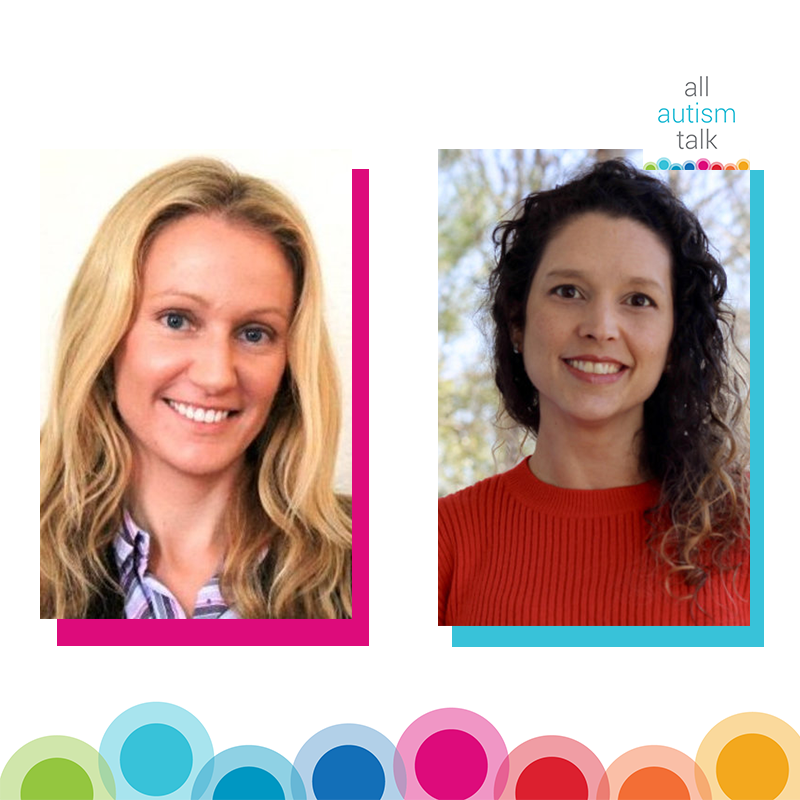
Corina Jimenez-Gomez, faculty at Auburn University, and Lauren Beaulieu a behavior analyst for 20 years join us to discuss the importance of culturally responsive services in ABA. Along with their extensive work educating others in this area, they each bring their personal experiences to this important conversation. Corina is a mother and Venezuelan native now living in Alabama. Lauren also shares insights she has gained from her marriage to an Italian immigrant. There is so much rich information about how professionals can take responsibility and action to better serve families. One bit of advice offered to those just beginning their careers was, “Do a self-assessment and then get the training and focus on those soft skills that we tend to ignore in masters programs. Focus on relationship building. You may have to step outside your program to get that.”

Training: https://institute.centralreach.com/pages/cultural-competency-in-applied-behavior-analysis

Interested in ABA Services for you child? Contact Us: https://lrnbvr.com/contact

Interested in a Career in the ABA Field? Apply Now: https://lrnbvr.com/apply-now

All Autism Talk (allautismtalk.com) is sponsored by LEARN Behavioral (learnbehavioral.com).

Dr. Temple Grandin and Dr. Debra Moore – Navigating Autism

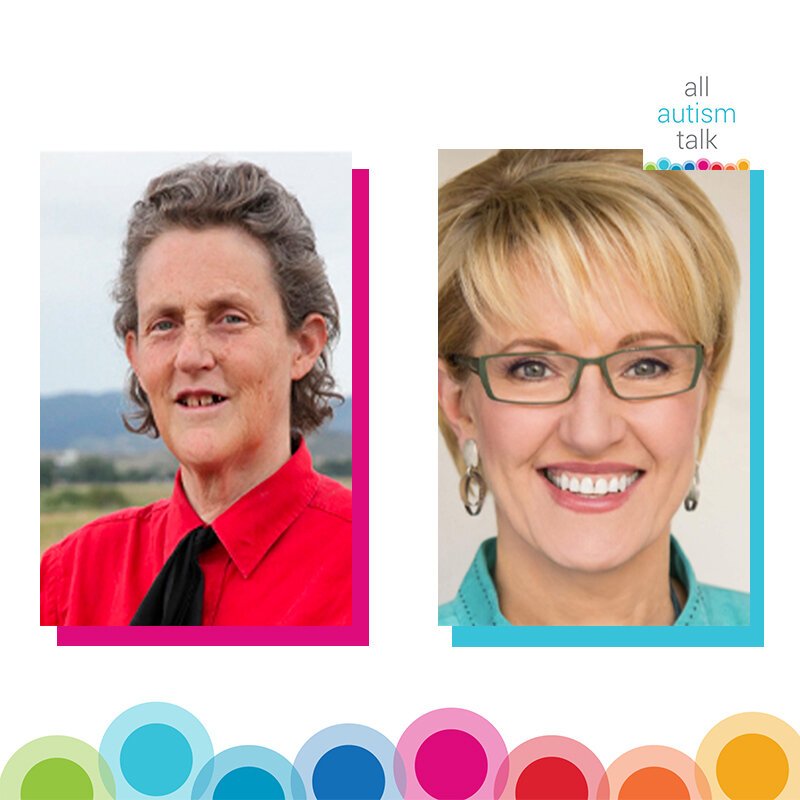
Dr. Temple Grandin returns to the podcast to discuss her latest book, Navigating Autism, which is a collaboration with psychologist Debra Moore, who has done extensive work with children, teens, and adults on the autism spectrum. This episode highlights Dr. Grandin’s powerful personal insights and wisdom with practical support and help from Dr. Moore. In this lively conversation, Drs. Grandin and Moore delve into a number of topics, from how to teach your child basic skills to what you can do to identify and stretch your child’s strengths and interests. The authors also share their belief that many educators, parents, and caregivers underestimate their kids, and they offer advice on what parents can do to help their child reach their highest potential. 

Interested in ABA services for your child? Contact Us: https://lrnbvr.com/contact

Interested in a career in the ABA field? Apply Now: https://lrnbvr.com/apply-now

All Autism Talk (allautismtalk.com) is sponsored by LEARN Behavioral (learnbehavioral.com).

TSC: A Rare Genetic Disease with a 50% Autism Diagnosis

Kari Luther Rosbeck, President & CEO, TSC Alliance, and Steven L. Roberds, PhD, Chief Scientific Officer, TSC Alliance join us for a discussion about Tuberous Sclerosis Complex (TSCA) a rare genetic disorder. This is an incredibly educational conversation on how this disease is identified and treated.  About 50% of those diagnosed with TSC, will also have a diagnosis of autism. Even if your child is not at risk for TSC, the thoughtful approach to treatment and resources can be valuable for all parents. As Kari shared, “When people are ready, they need to know; what are the  right questions to ask, what about genetic testing, what about medication, and how does that whole system work?”


Learn more about TSC Alliance by visiting tscalliance.org

Interested in ABA therapy for your child? Contact us https://lrnbvr.com/contact

All Autism Talk (allautismtalk.com) is sponsored by LEARN Behavioral (learnbehavioral.com)

Female Life on the Spectrum – Insights from Jennifer Cook

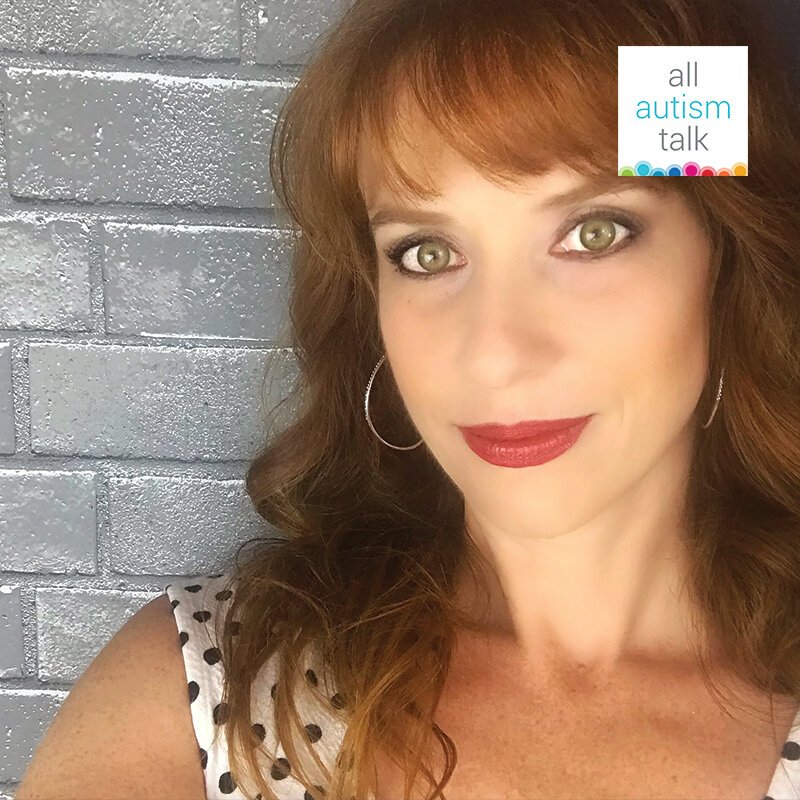
Jennifer Cook was diagnosed on the autism spectrum at the age of 35 and is raising three children on the spectrum. She is the author of seven bestselling, award-winning books. This lively conversation had our host, Katherine Johnson laughing and crying. Jennifer provides perspective on why diagnosis has been widely missed in girls and women and promotes her philosophy of helping others, “Move from feeling like a mistake to feeling like a miracle”.


For More Information:

https://www.jenniferotooleauthor.com/

https://www.sanctuary-magazine.com/autism-in-heels.html

https://www.nowyoubelong.com/welcome


All Autism Talk (allautismtalk.com) is sponsored by LEARN Behavioral (learnbehavioral.com).

Top 5 Autism Studies from the Last Year

BY KATHERINE JOHNSON, M.S., BCBA
SENIOR DIRECTOR OF PARTNERSHIPS

Looking back at 2021, there were significant developments, both in research and thought leadership, in the field of autism and applied behavior analysis (ABA).  Here are some studies and papers you don’t want to have missed!


Girls’ Genetics and Autism

2021 gave us another important building block in the ongoing investigation in to how and why autism manifests differently in girls than in boys.  A study by Jack et. al. found that there was a much greater difference in brain activity in autistic and non-autistic girls, than was previously found between autistic and non-autistic boys when viewing biological motion.  In the second half of the investigation, they looked at the girls’ DNA.  What they found (greater differences in brain activity and more gene mutations among the girls) bolsters the “Female Protective Effect” theory, which holds that girls require more genetic predisposition to autism in order to show autistic traits.  Inquiries into how autism manifests differently depending on sex is integral to being able to more accurately identify and support girls on the spectrum.

Allison Jack, Catherine A W Sullivan, Elizabeth Aylward, Susan Y Bookheimer, Mirella Dapretto, Nadine Gaab, John D Van Horn, Jeffrey Eilbott, Zachary Jacokes, Carinna M Torgerson, Raphael A Bernier, Daniel H Geschwind, James C McPartland, Charles A Nelson, Sara J Webb, Kevin A Pelphrey, Abha R Gupta, the GENDAAR Consortium, A neurogenetic analysis of female autism, Brain, Volume 144, Issue 6, June 2021, Pages 1911–1926, https://doi.org/10.1093/brain/awab064

How Can Behavior Analysis Help Prison Reform?

Many behavior analysts have heeded the call to focus on their own cultural competence and anti-racism work; this paper outlines ways they can put those skills to good use.  Crowe and Drew review the history and current state of a social injustice faced by many people with disabilities: segregation via incarceration.  The authors posit that behavior analysts can help to interrupt the “school-to-prison pipeline” and outline their theory.  Although the authors call for a grand restructuring of the prison system (including abolition of the current system), they also offer thoughts on how behavior analysis could improve current institutions.

Crowe, B., & Drew, C. (2021). Orange in the new asylum: Incarceration of individuals with disabilities. Behavior Analysis in Practice, 14(2), 387-395. https://doi.org/10.1007/s40617-020-00533-9

Bridge Over Troubled Water…

If you have been following the conversation about ABA and neurodiversity, you’ll want to read this paper.  A group of Autistic and Non-Autistic authors challenge the belief that ABA is inherently harmful for Autistic people and proposes the perspective that behavioral interventions can be “compatible with the neurodiversity paradigm.”  After a history of autism and behavioral interventions, the authors delve into a thorough discussion of how Naturalistic Developmental Behavior Interventions may bridge the gap between opposing viewpoints about the use of behavioral interventions with people on the spectrum.

Schuck RK, Tagavi DM, Baiden KMP, Dwyer P, Williams ZJ, Osuna A, Ferguson EF, Jimenez Muñoz M, Poyser SK, Johnson JF, Vernon TW. Neurodiversity and Autism Intervention: Reconciling Perspectives Through a Naturalistic Developmental Behavioral Intervention Framework. J Autism Dev Disord. 2021 Oct 13. doi: 10.1007/s10803-021-05316-x. Epub ahead of print. PMID: 34643863.

The Function of…. Happiness?

And the Functional Analysis (FA) gets another twist!  Thomas et. al. assessed whether or not paying attention to indices of happiness would assist in finding effective interventions to decrease challenging behavior.  They found that when interventions were derived from what they learned about the children’s happiness, they were as effective as interventions based solely on the function of the challenging behavior, and they were associated with more behavior associated with happiness.  In the search for effective treatments that are maximally acceptable to consumers, this is a useful addition to the FA!

Thomas BR, Charlop MH, Lim N, Gumaer C. Measuring Happiness Behavior in Functional Analyses of Challenging Behavior for Children with Autism Spectrum Disorder. Behav Modif. 2021 May;45(3):502-530. doi: 10.1177/0145445519878673. Epub 2019 Sep 30. PMID: 31565953.

Assent in Research

With the addition of “assent” to the BACB Code of Ethics, behavior analysts have begun the search for research, resources, and materials on the topic.  After a discussion of the federal statute and how it may or may not apply to autistic subjects, the authors discuss assent in the context of the behavior analytic values of self-determination and choice.  They then examine how frequently assent has been obtained in the behavior analytic research (spoiler alert: not frequently), note the methods that have been used, and propose a procedure for obtaining assent from nonverbal potential research participants.  This may be the only JABA article on assent in 2021, but it’s a fair bet that it will inspire many more in 2022.

Morris C, Detrick JJ, Peterson SM. Participant assent in behavior analytic research: Considerations for participants with autism and developmental disabilities. J Appl Behav Anal. 2021 Sep;54(4):1300-1316. doi: 10.1002/jaba.859. Epub 2021 Jun 18. PMID: 34144631.